- A processor operating multiple TM®-26 forming systems needed a maintenance strategy that reflected different production schedules and applications.
- Tomahawk and the processor reviewed parts usage and component failures for six months, then tested customized PM kits for another six months.
- Downtime from premature component failure was reduced significantly on higher-use lines.
- Average maintenance spending was reduced by 30% on lower-speed, shorter-run lines.
Customer Challenge: One PM Kit Did Not Fit Every Forming Line
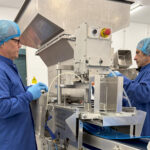
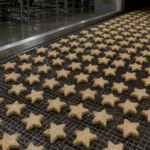
A processor that supplies one of the world’s most recognized quick-service restaurant groups operates multiple TM®-26 forming systems across different applications. Some systems run two shifts per day, six days per week, while others operate one shift per day, five days per week.
The processor had been purchasing preventive maintenance kits based on each machine’s original configuration. Over time, however, the team found that certain forming systems required more attention than others, and the standard kits did not fully address the needs of every line. The engineering team needed a way to reduce the risk of premature parts failure and unplanned downtime without creating unnecessary maintenance costs.
Tomahawk’s Solution: Data-Driven Preventive Maintenance Kits
Tomahawk’s Engineering and Service teams partnered with the processor’s internal engineering team to review actual maintenance history by forming line. Parts usage and component failures were monitored for six months. Tomahawk then developed multiple customized preventive maintenance kits and monitored their use for an additional six months before finalizing the kits.
- Maintenance planning based on actual line history
- Customized kits for different production demands
- Reduced risk of premature parts failure
- Lower maintenance spend on shorter-run lines
- Less downtime on extended-production lines
- Additional training support for maintenance staff
Result: Less Downtime and Lower Maintenance Spend
On the higher-speed, extended-production lines, downtime caused by premature component failure was reduced significantly. On the lower-speed, shorter-run lines, average maintenance spending was reduced by 30%.
The customized kits and related maintenance practices also became a practical training resource for the processor’s maintenance staff, helping strengthen skills across the team.
Business Impact: Maintenance Aligned With Actual Production Needs
By tailoring preventive maintenance to the workload and operating conditions of each forming line, the processor improved maintenance planning without applying the same parts strategy to every machine. The result was a more practical balance between equipment reliability, maintenance spending, and workforce training.